Food waste has been a serious problem affecting humanity for years. Worldwide, it is estimated that about one-third of all food produced is wasted each year. Considering the large number of people who still go hungry every day, these alarming statistics make us think and do not allow us to ignore this global problem.
In addition to the social and economic consequences, food waste also has a significant impact on greenhouse gas emissions and global warming. When food is wasted, it ends up in landfills, where it decomposes and releases methane, a powerful greenhouse gas that contributes significantly to global warming. According to the Food and Agriculture Organization of the United Nations, if food waste were a country, it would rank third in terms of greenhouse gas emissions, after China and the United States.
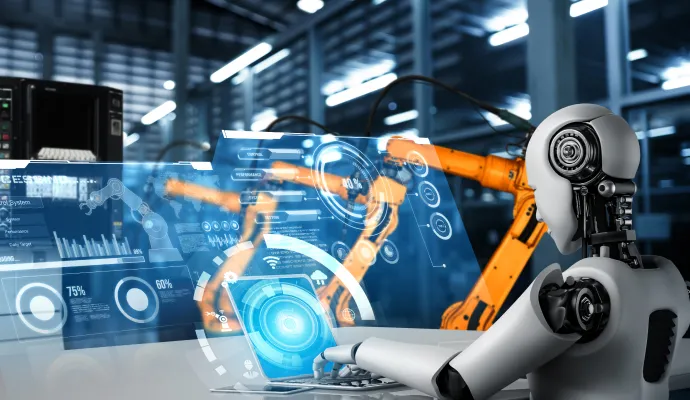
Optimize food waste through automation
The use of technology in the food industry is not new, but the increasing availability of inexpensive and advanced automation technologies is a true revolution.
With growing concern about food waste and the need to increase efficiency and productivity, automation is becoming a viable solution to these challenges.
Paul Hawken, in his book "Drawdown: The Most Comprehensive Plan Ever Proposed to Reverse Global Warming," highlights the role of digital solutions in reducing food waste at the production, distribution and consumption stages as one of 100 solutions to reverse global warming.
Digital technologies can provide new tools to reduce food waste. For example, smart sensors can monitor food quality and freshness, enabling better inventory management and reducing waste. Data analytics can also help retailers and manufacturers identify trends in consumer demand, avoiding overstocking and reducing waste at the distribution stage. Additionally, mobile apps and online platforms can connect farmers with consumers, reducing food waste by facilitating the sale of products that would otherwise end up in landfills. - There are digital tools, solutions and automated processes available for every phase of the food lifecycle. Each of these solutions can help reduce food waste, improving the well-being of people and the planet, and promoting sustainability in a variety of ways.
Significant benefits of automation for food and beverage manufacturers
By automating the process, manufacturers can more accurately measure and control the number of raw materials used in production, reducing waste. In addition, automated systems can monitor and adjust temperature, humidity and other environmental factors that affect the shelf life of products, reducing spoilage.
The food and beverage industry can achieve greater efficiency and productivity with barcodes on inventory, robotic pickers, automated process control, automated warehouses, and real-time testing and verification for quality assurance. Collecting and analyzing data from the production process can help identify areas of waste and make informed decisions to reduce it.
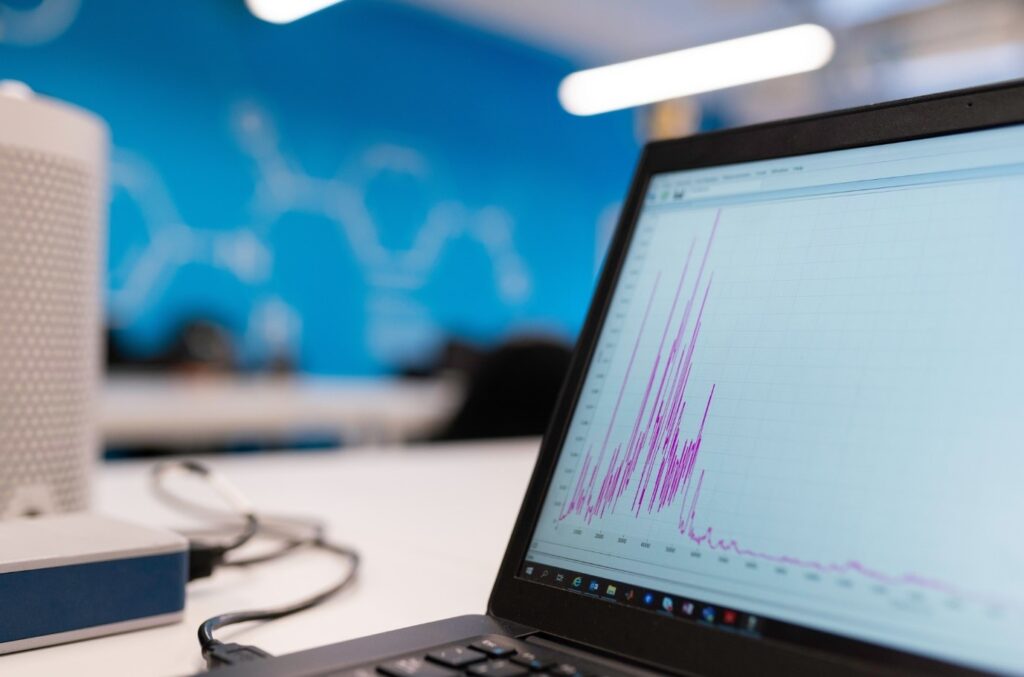
An example of using analytics to reduce food waste is the retail industry.
Retailers are using data to optimize their supply chains, control inventory and reduce product spoilage. By identifying the products that are most likely to go to waste, retailers can reduce the amount of excess they stock, thereby reducing waste.
All this can support:
- Food safety inspection app: A Power App can be developed to help organizations conduct internal food safety inspections. It automates the inspection process, provides a central platform for collecting data and identifying issues, and allows companies to customize checklists. The app can send notifications and alerts to ensure timely resolution of issues and track compliance with food safety regulations, reducing the risk of product recalls and legal liability.
- Computer vision and AI for analyzing food quality and reducing waste in the agricultural supply chain - a solution provided by AgShift. Their technology can analyze images of food products to determine quality, freshness and other characteristics that affect shelf life. The platform can detect signs of spoilage or damage that may indicate a shortened shelf life, and notify relevant stakeholders to take appropriate action.
- Another way to use data and analytics to optimize food waste is through predictive analytics. By analyzing trends in supply and demand, weather patterns and consumer behavior, food waste can be predicted before it happens. As a result, this enables retailers and manufacturers to adjust their operations and reduce the amount of food that ends up in landfills.
Predictive analytics supported by:
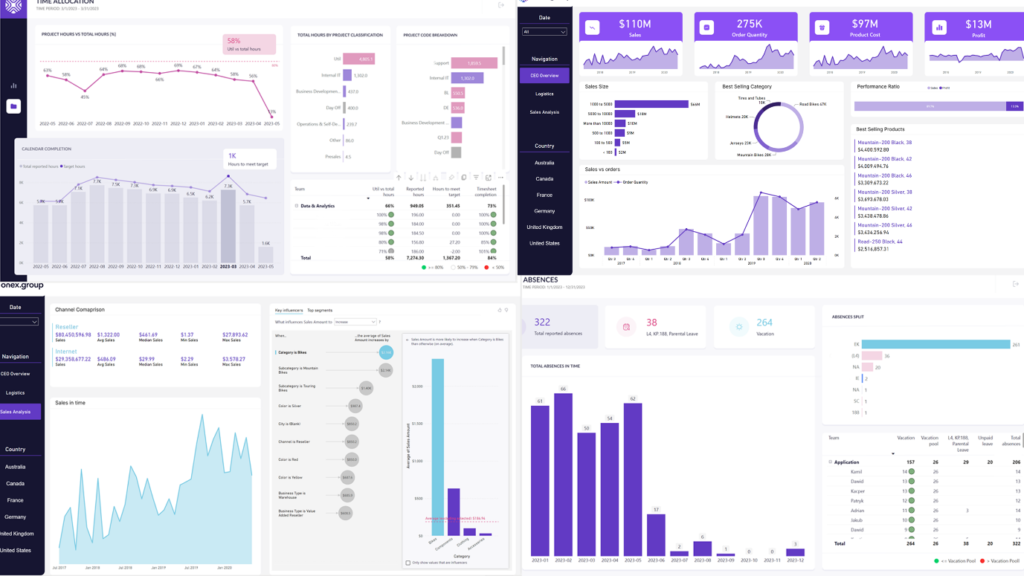
- Azure Machine Learning - a cloud-based platform that enables companies to build, train and deploy machine learning models. It can be used to analyze food production and storage data to predict demand, identify potential bottlenecks and optimize resource allocation. Such solutions help avoid food overproduction and waste, as well as reduce energy consumption and greenhouse gas emissions. As a result, companies can adjust inventory levels and reduce waste due to over-supply and spoilage. In addition, Azure ML can be used to implement object recognition, meaning that food suppliers could check the quality of vegetables and detect signs of spoilage by collecting and tagging a large collection of images of vegetables at various stages of freshness and decay, and then use this data to train the model to recognize these patterns. With this functionality, food suppliers can improve their quality control processes by automatically identifying spoiled vegetables and removing them from storage. In this way, they can reduce costs associated with spoiled food and increase customer satisfaction by ensuring that only the freshest vegetables reach the market.
- Power BI - a business intelligence service that provides interactive visualizations and business intelligence functions. It can be used to track and analyze waste data throughout the food production process, identify areas of waste and develop strategies to reduce it.
- Dynamics 365 Supply Chain Management - a comprehensive solution for managing production, inventory and supply chain operations. It includes predictive analytics tools that can be used to optimize production schedules and inventory levels, reducing the risk of overproduction and waste. By integrating data from across the supply chain, companies can get a complete picture of their operations and make informed decisions to optimize efficiency and reduce waste.
In addition, data and analytics can also help ensure compliance with environmental regulations. Many countries are enacting policies to reduce food waste and incentivize sustainable practices. By analyzing data on food waste generation and disposal, regulators can monitor compliance and enforce penalties for violations.
Food distributors can reach for innovative solutions related to natural food coatings and systems that automate food tracking
Companies such as Apeel Sciences and Sufresca are developing vegetable coatings for products that can extend the shelf life of fruits and vegetables, reducing spoilage and waste. There are also food tracking systems that use barcodes, RFID tags or other technologies to track the movement of food products through the supply chain, allowing distributors to quickly identify and recall products that may be contaminated or at risk of spoilage.
Other devices, such as IoT sensors, can be used to monitor temperature, humidity and other environmental conditions that can affect food quality and shelf life, enabling distributors to take action to prevent spoilage. Cloud-based collaboration tools, such as MS Teams, enable food distributors to share data, collaborate with suppliers and customers, and streamline operations through chat, video conferencing, file sharing and task management. By adopting these innovative solutions, food distributors can play a key role in reducing food waste and promoting sustainability in the food industry.
Food consumers have many options to use to save the planet:
Food waste tracking apps: Apps such as Too Good To Go, Food Cowboy and Winnow help reduce food waste by enabling retailers and restaurants to sell excess food at discounted prices, preventing it from going to waste.
Digital platforms for recipe and meal planning: Platforms such as Mealime, Paprika and MealBoard help users plan meals, create shopping lists and reduce food waste by suggesting recipes that use ingredients they already have at home.
Power App platform for managing food donations: The Power App can be created to help organizations manage food donations. The app can track food donations, including the type and quantity of food, donor and recipient organization details. Effective management of food donations allows organizations to help prevent waste.
Access to digital solutions, tools and automation could be a breakthrough for organizations seeking to effectively influence the fight against global warming.
But if we realize the value of the technology available, why isn't enough being done to create a sustainable way of life? How can we encourage all companies in the FMCG sector to do enough for a more sustainable food system?
To answer these questions, we need to identify and overcome the obstacles that hold us back. Here are some thoughts on the barriers we may encounter and the solutions that can overcome them.
Barriers:
- Cost concerns: FMCG companies may not make reducing food waste a priority, seeing it as an additional expense that does not fit into their profit margins and is a lower priority than other business expenses. As a result, they may not be allocating sufficient resources to address the problem.
To make informed IT investment decisions, organizations should evaluate potential solutions that fit their strategic goals and offer a positive return on investment. This can include assessing costs and benefits and developing a business case that helps gain stakeholder support. The business case for the investment should indicate the potential benefits and savings, as well as the impact on operations and financial performance. It is also worth considering alternative funding sources, such as grants or partnerships, to supplement the IT budget and obtain additional financial resources for strategic IT investments.
- Supply chain complexity: The food supply chain involves many steps and people, from production to distribution and consumption, making the process complex. Managing and controlling food waste throughout the chain can be a challenge, and the beginning of this journey can be difficult to identify.
However, by introducing analytical tools, it is possible to better track and manage the supply chain and identify areas of food waste. Food companies can work with suppliers and customers to share data and implement sustainable practices throughout the supply chain. This approach can help measure all key factors and take control of the entire delivery process. You can also consider implementing low-cost solutions, such as optimizing supply chain logistics or investing in sustainable packaging.
- Regulatory compliance: Some food producers may focus solely on meeting regulatory requirements and not view reducing food waste as a necessity. It may seem to them that they will not suffer direct consequences for not doing something about it.
However, by not considering the long-term benefits of reducing food waste, such as increasing customer loyalty by promoting organic products and reducing waste disposal expenses, these producers are missing out on potential benefits. Consumers are becoming increasingly aware of sustainability issues and are more willing to support companies that prioritize sustainability initiatives.
Therefore, investing in digital solutions to reduce food waste and fight global warming can improve a company's brand reputation and attract new customers.
- Perceived consumer demand: In today's world, consumers are becoming increasingly aware of the environmental impact of their purchases. Therefore, food companies should monitor whether there is a growing interest among consumers in products produced using sustainable methods or with minimal environmental impact.
By considering the environmental impact of their products and taking steps to minimize it, companies can demonstrate their commitment to responsible and ethical practices.
- Resistance to change: Employees may resist changes to the organization's processes that are required to implement new IT solutions. The reason for this resistance may be the question of why something that works must be changed. Change is often associated with negative emotions because it disrupts established routines and introduces uncertainty about the future. New technologies can also create fears of job loss, and older employees may find it difficult to adapt to new ways of working.
To help employees adapt to the change, providing training and support is key. Communicating openly can also help build trust. By involving employees in the selection and implementation process, you can increase their engagement and reduce resistance. This will help employees better understand the benefits of new IT solutions and how they can improve their work.
It is worth remembering that change can be an opportunity for growth and innovation if approached with a positive attitude.
- Lack of expertise: Organizations need to keep up with the latest IT solutions to stay competitive, but not all companies have the expertise to implement and maintain them internally. To solve this problem, they can hire or partner with outside IT experts or invest in training programs to enhance their team's skills.
Working with knowledgeable and cooperative partners can create a co-creation work environment in which the internal IT team and external partners collaborate to design and implement solutions tailored to the organization's specific needs. This approach gives access to expertise, helps identify potential obstacles and fosters a culture of continuous learning within the organization.
- Concerns about data privacy and security: Implementing new IT solutions can potentially put sensitive data at risk, making data privacy and security a key concern for organizations.
However, implementing robust cybersecurity protocols and partnering with reputable IT vendors can minimize such risks. IT providers can provide specialized security protocols and ensure compliance with data privacy regulations. Regular security audits and penetration testing can help identify security vulnerabilities and prevent cyber attacks, protecting the organization from potential data leaks and financial losses. In addition, implementing security measures such as encryption, firewalls, access control and authentication protocols will help protect sensitive data.
Integration with existing systems: Integrating new IT solutions with existing systems can be a challenge for organizations for a variety of reasons, such as the complexity of the existing system, compatibility issues, different data formats, security concerns, disruption of operations leading to downtime, additional costs or proper scalability to meet the changing needs of the organization and increasing customer demands.
To overcome these challenges, organizations can take a comprehensive approach that includes assessing the existing system, developing a detailed integration plan, testing the integration, ensuring proper scalability, minimizing disruption to operations, and providing communication and training to stakeholders. By taking these steps, organizations can effectively integrate new IT solutions into existing systems and meet changing needs and growing customer demands.
Summary
Reducing food waste is not only a moral obligation, but also an urgent need to protect our planet and ensure a future for our children. Unfortunately, many food companies may see this as an additional cost that doesn't fit into their current profit margins or is a lower priority than other business expenses. But this short-sighted perspective can lead to long-term consequences for both the environment and their bottom line.
By implementing digital solutions and sustainable practices, food manufacturers can reduce their environmental impact, increase profits and improve their reputation. By minimizing food waste, they can save on production costs, improve supply chain efficiency and ultimately boost their bottom line. In addition, implementing environmentally friendly practices can help attract environmentally conscious consumers and improve brand image, reputation and customer loyalty by demonstrating a commitment to sustainability. Working with stakeholders throughout the supply chain, using technology to track and optimize production and distribution, and investing in employee education and training can all contribute to a more sustainable food system. By taking action and investing in new technologies, food producers can play a key role in protecting the planet and ensuring a better future for generations to come.

Key takeaways from the article:
- Food waste is a serious problem that contributes to greenhouse gas emissions and global warming, and solving it is key to achieving a sustainable food system,
- Data analytics, along with automation technology, offer viable solutions for reducing food waste and increasing efficiency and productivity in the food and beverage industry,
- Predictive analytics can help predict and prevent food waste, and compliance with environmental regulations is essential in reducing waste,
- Investing in technologies that reduce food waste is necessary to ensure a better future for our planet and achieve a sustainable food system.